
Specialty Venting
Laboratory and fume exhaust, dryer and lint exhaust, dust collection and custom appliance venting engineered to the process.
Codes and listings
- ANSI/AIHA Z9.5
- NFPA 45
- UL 705
- NFPA 652
- NFPA 664
- NFPA 96
Some exhaust streams do not match a catalog. Fume hood effluent, lint-laden dryer air, combustible dust, roaster and kettle discharge: each needs its own metallurgy, velocity, and containment strategy.
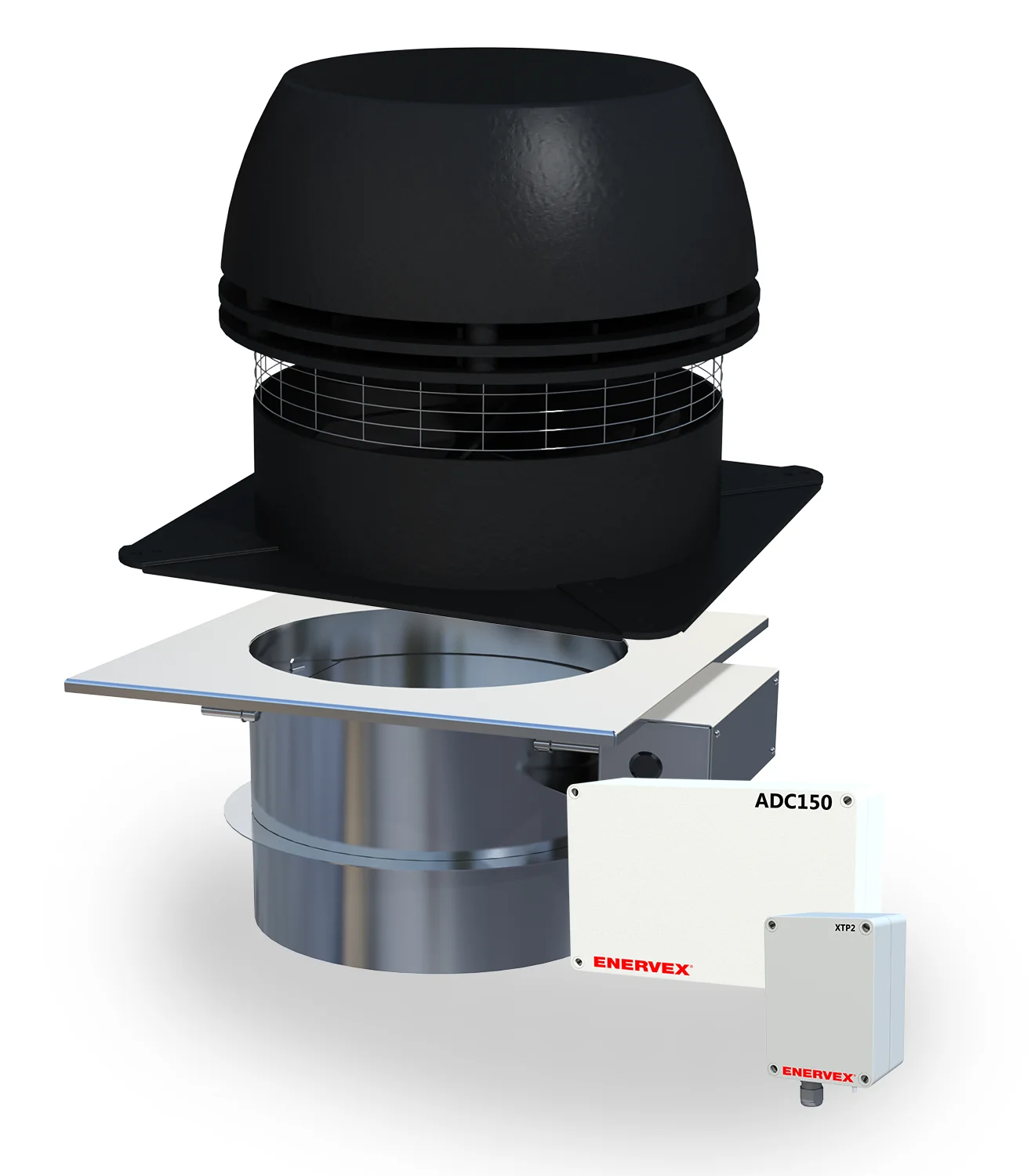
Laboratory and containment exhaust uses high-velocity induced flow fans to dilute hazardous effluent and project it above the roofline, keeping it out of fresh air intakes. Corrosion-resistant alloys or specialized coatings, integrated bypass dampers, and dynamic control packages hold precise static pressure, compliant with ANSI/AIHA Z9.5 and NFPA 45, with a smaller rooftop footprint and better acoustics than a conventional tall-stack utility fan.
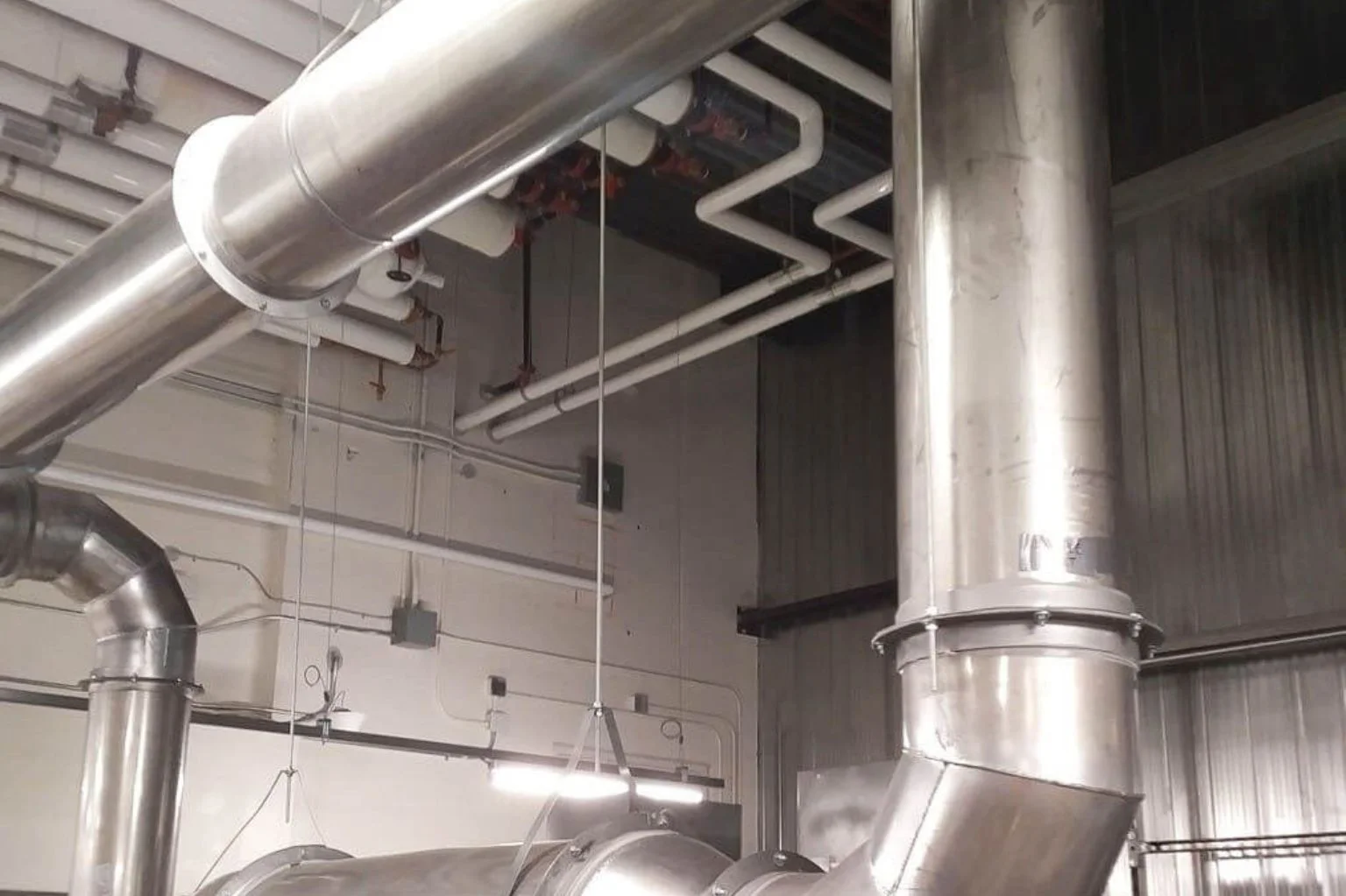
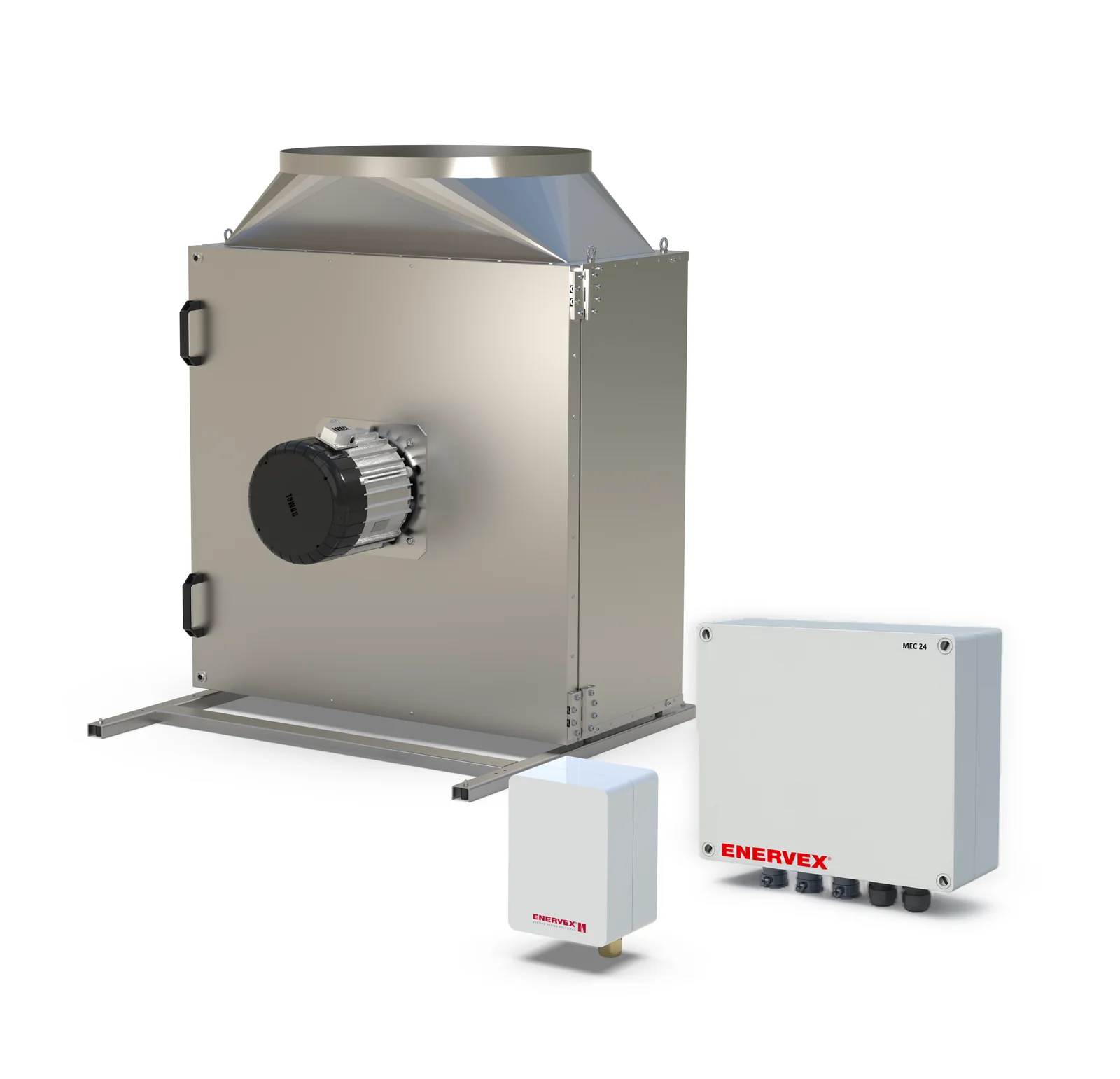
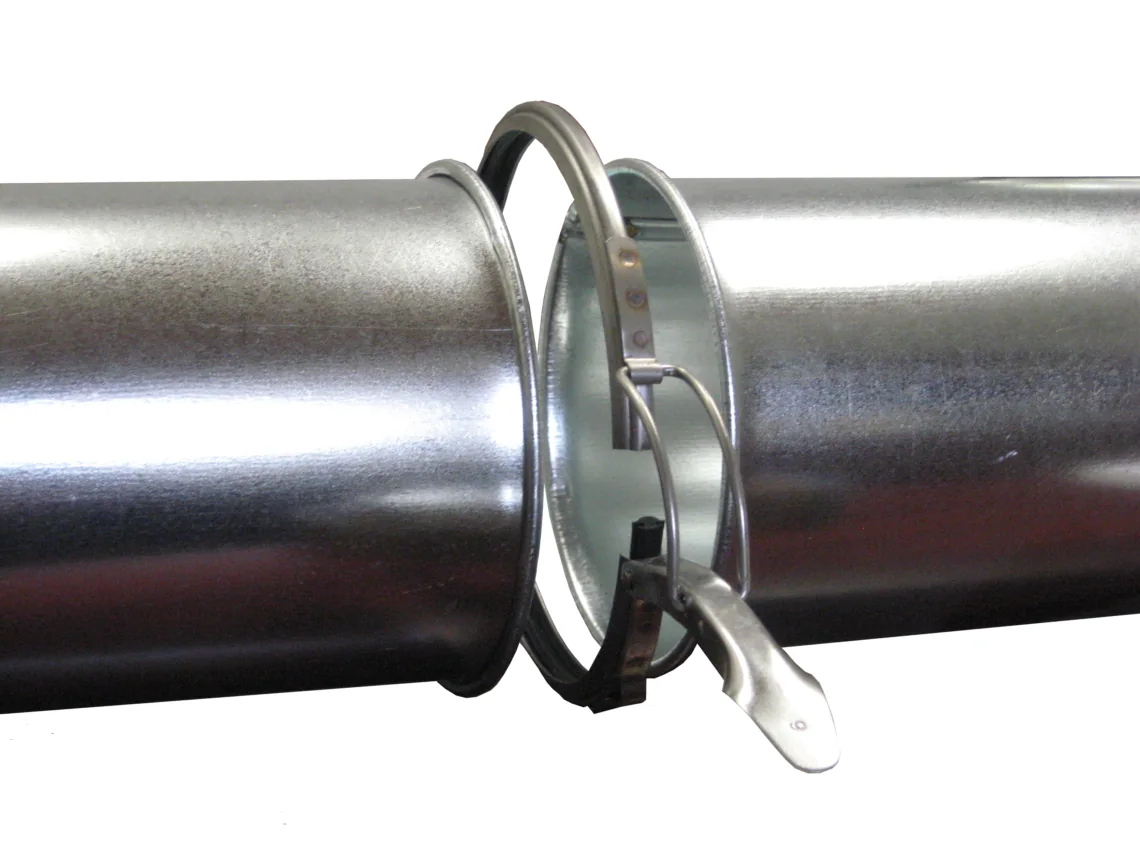
Dryer ventilation is a demand-controlled platform for multi-story residential and commercial laundry: UL 705 ventilators, including the Model BEFx inline series with backward-curved impellers and isolated motor compartments, coupled with heavy-duty lint filtration and liquid-tight welded clamp-together duct. Dust collection pairs high-static material-handling fans with smooth-wall, long-radius duct networks engineered to NFPA 652 and NFPA 664 so material never drops out of suspension.
Everything outside those lanes gets engineered from the ground up: coffee roasters, commercial bakeries, hearth pizza ovens, high-heat kilns, localized hood exhaust, and brewery kettle steam vents, with metallurgy, pressure seals, and draft components matched to the actual effluent.
Where it shows up
- Research labs, hospitals, and isolation suites
- High-rise residential and commercial laundry
- Woodworking, metal fines, and process manufacturing
- Coffee roasteries and craft breweries
- Artisan bakeries and hearth-oven kitchens
Effluent-first design
Material, velocity, and joint sealing selected against the real chemical and thermal profile of the stream.
Containment performance
Induced-flow dilution and bypass damper control keep discharge off fresh air intakes per ANSI/AIHA Z9.5 and NFPA 45.
Lint and particulate safety
Isolated motor compartments, inline lint filtration, and NFPA 652 static-grounding protocols for combustible dust.
Transport velocity held
Smooth-interior clamp-together or welded duct with long-radius elbows eliminates settling pockets.
Containment & Fume Exhaust
1 system
Dryer & Lint Exhaust
1 system
Custom Appliance Venting
1 system
Specialty Venting, answered plainly.
- Why use induced flow fans on laboratory exhaust?
- Induced flow dilutes fume hood effluent with bypass air and projects it high above the roofline, which prevents re-entrainment at fresh air intakes while keeping stack height and sound levels down.
- What makes dryer exhaust different from general exhaust?
- The air stream is hot, humid, and lint-laden. That requires isolated motor compartments, backward-curved impellers, inline lint filtration, and liquid-tight welded duct to control fire risk.
- Can EXD engineer venting for a non-standard appliance?
- Yes. Roasters, kilns, kettles, and hearth ovens are configured case by case, selecting metallurgy, seals, and draft control to match the appliance manufacturer's requirements and local code.